ACADEMICS
DESIGN DEVELOPMENT ARCHITECTURE
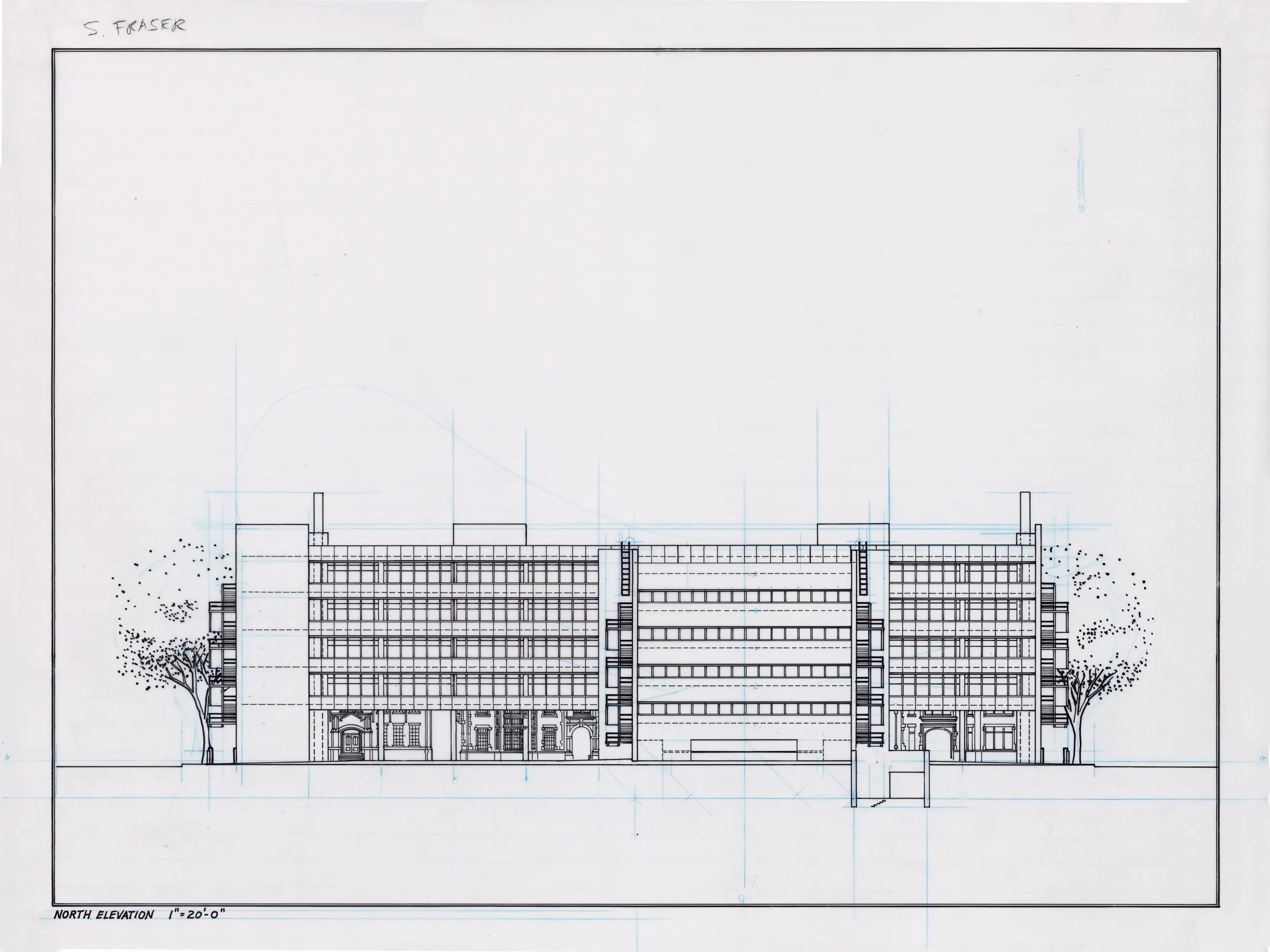
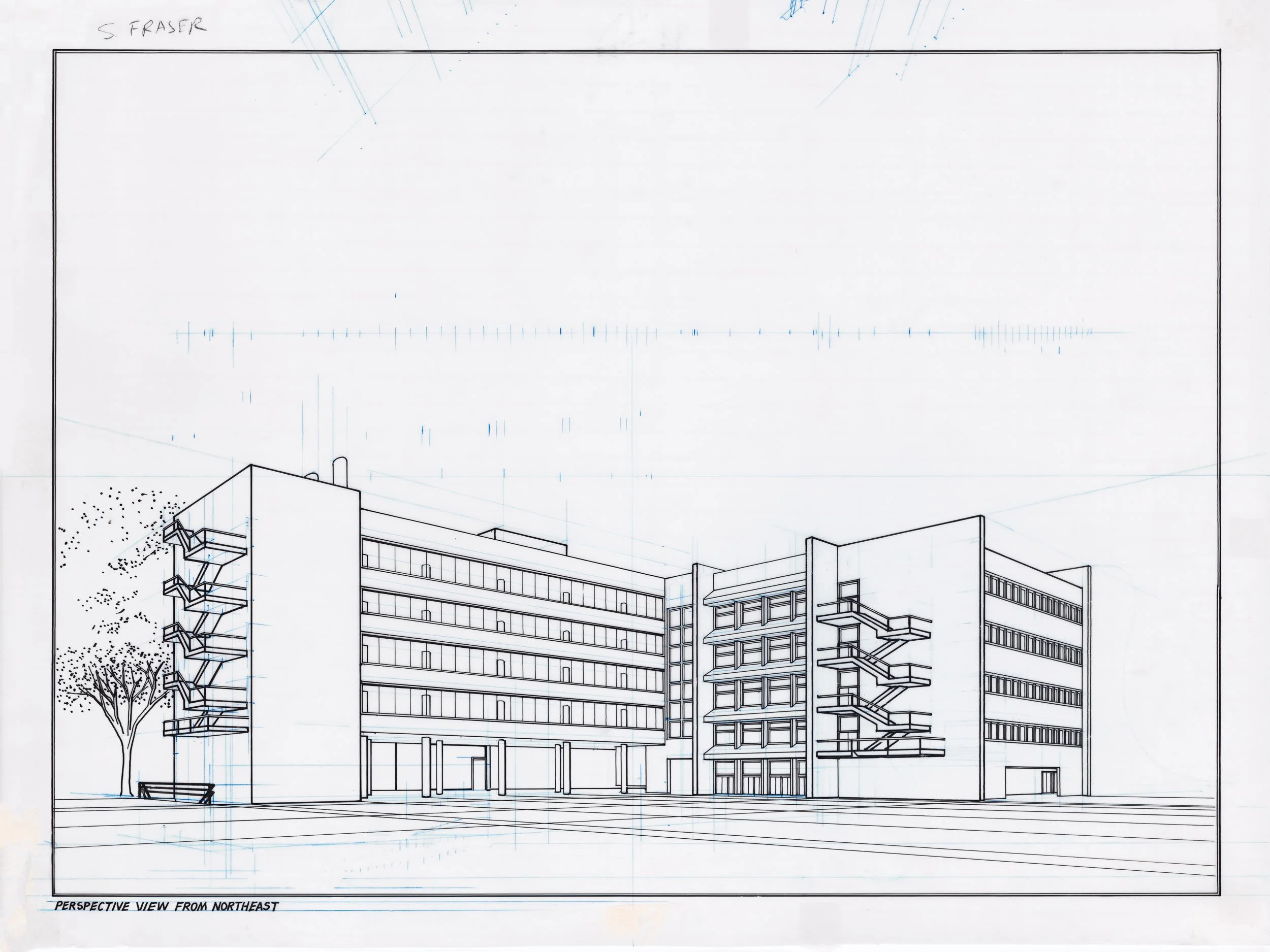
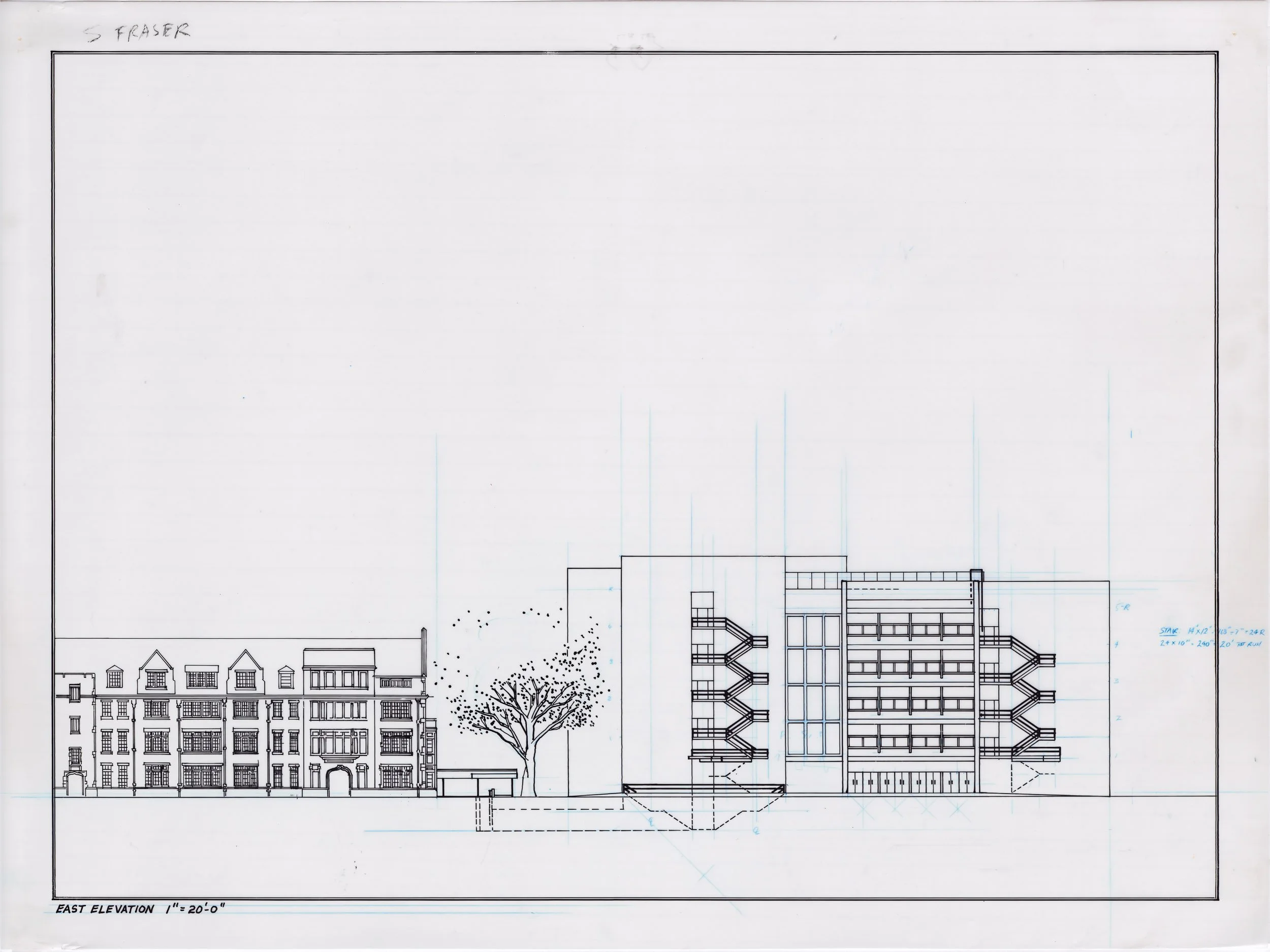
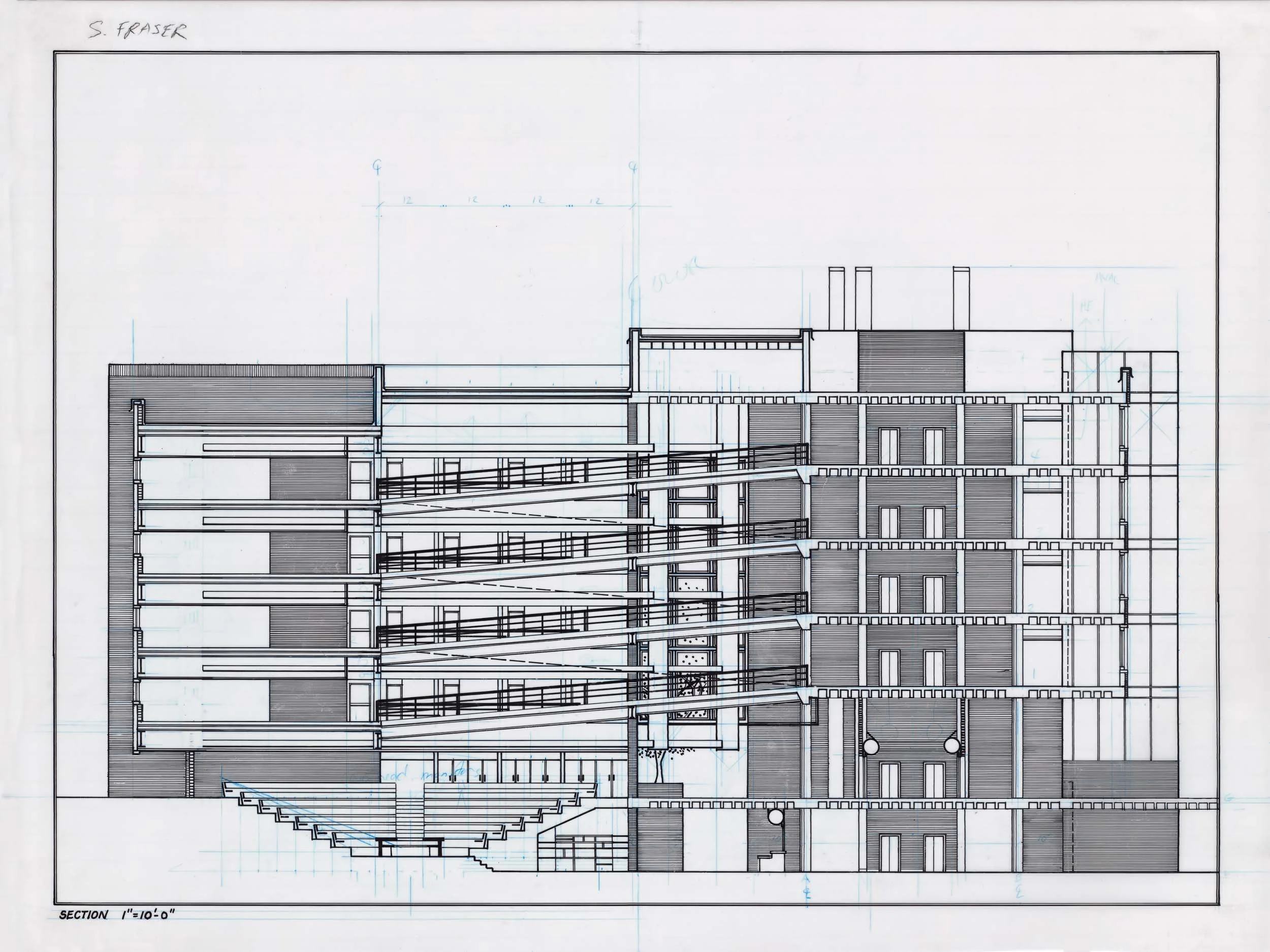
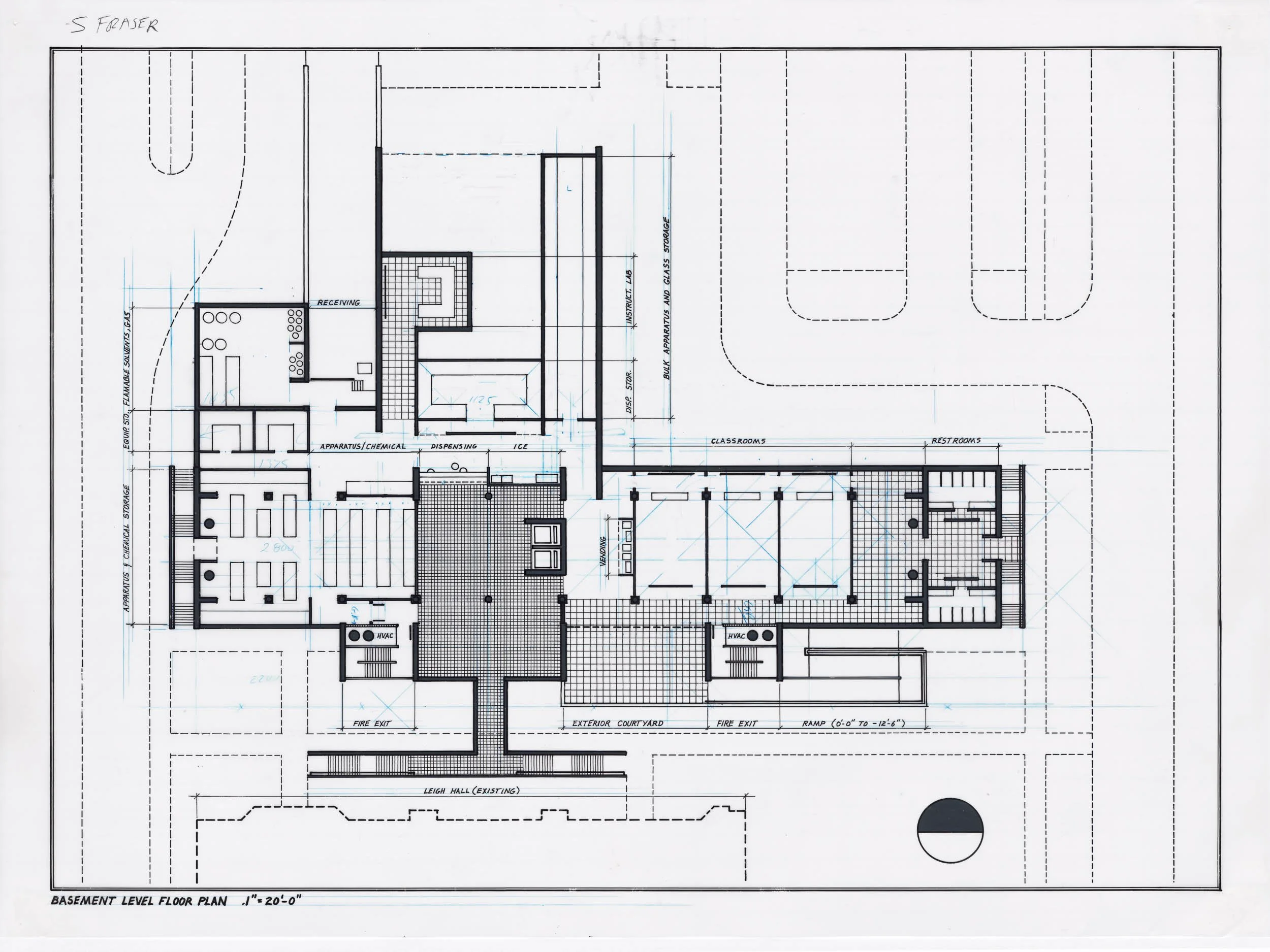
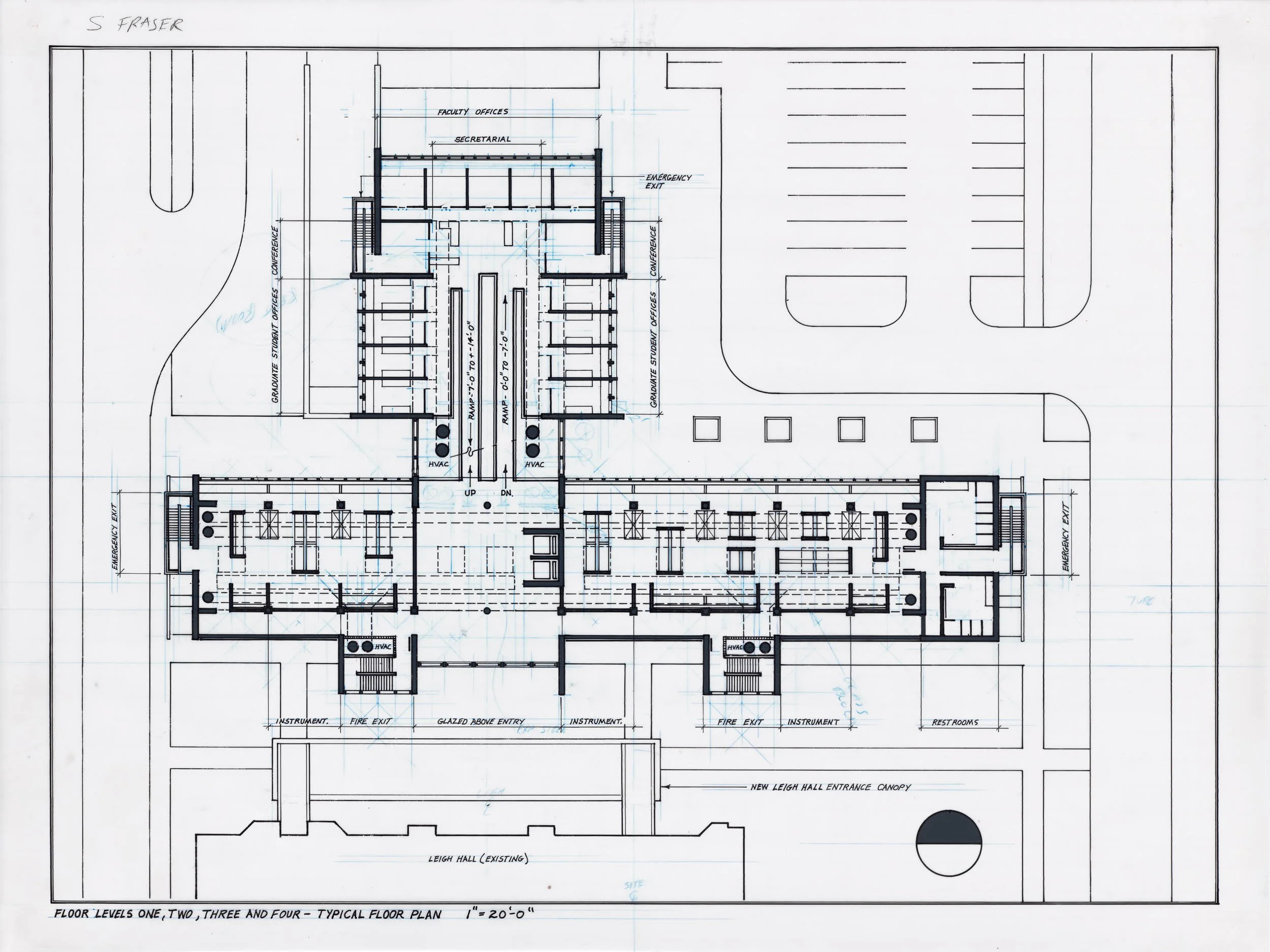
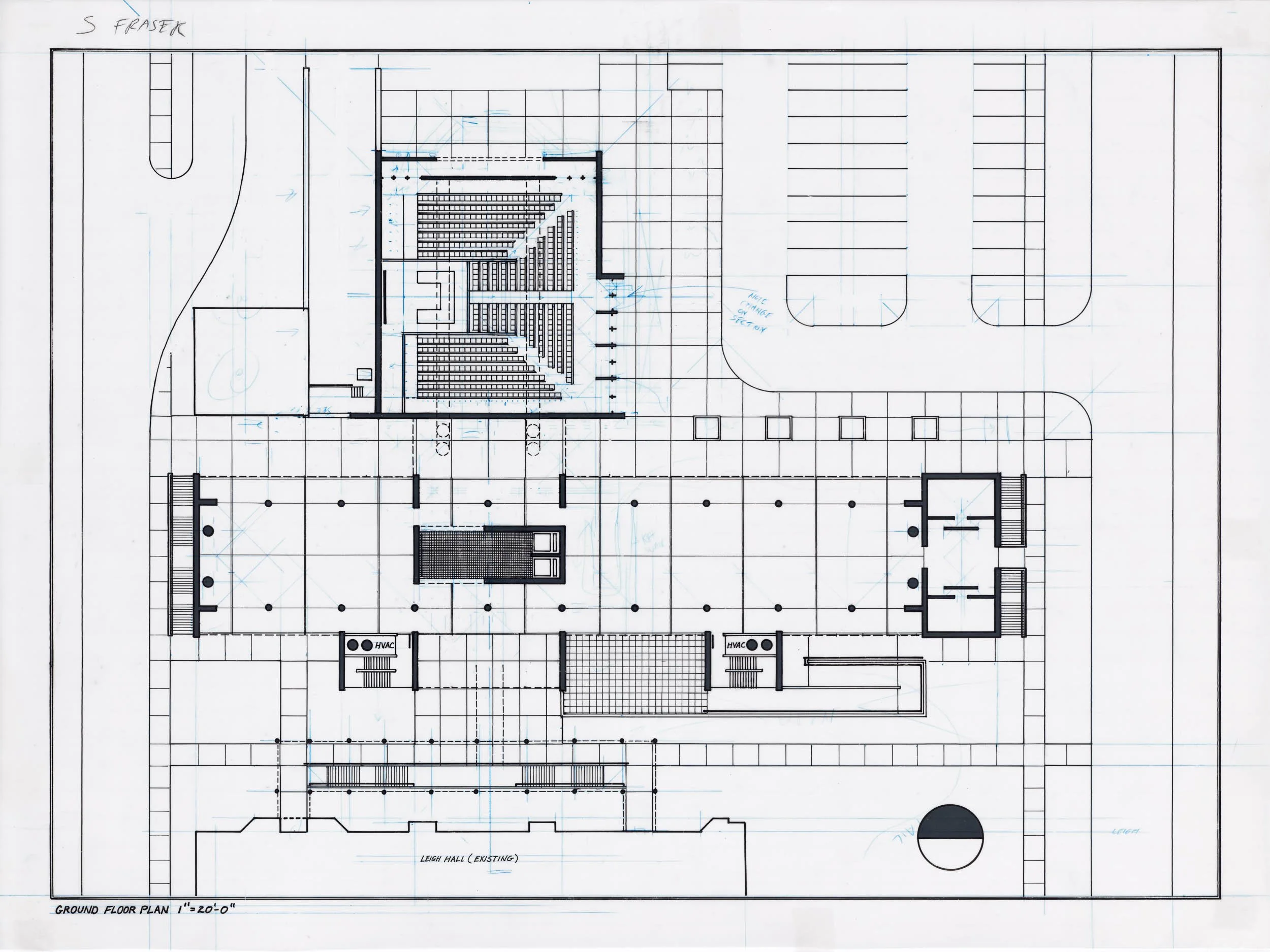
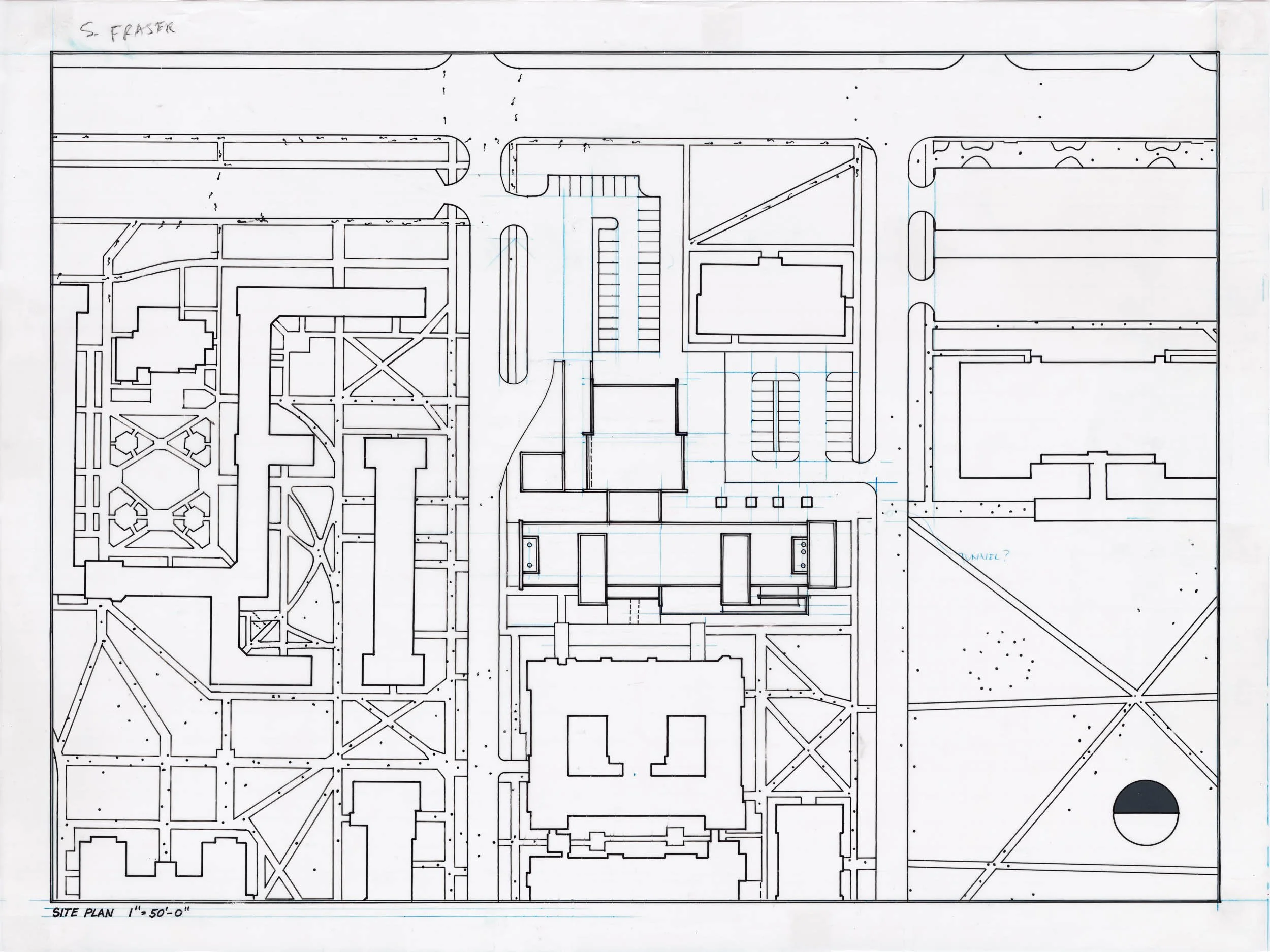
UF Chemistry Building Study. Structural Studio Project
New Chemistry Building on UF Campus
A formulation derived of architectural clarity. The structural and spatial systems are legible and identifiable; expressive of the scientific nature of its function. Laboratories, the auditorium, offices, and shared spaces are clearly organized. Materials, structure, and useful void spaces are free from unnecessary complications or unfounded preconceptions about the building’s appearance. The result is a structure that prioritizes efficiency and adaptability while maintaining a strong and coherent architectural presence.
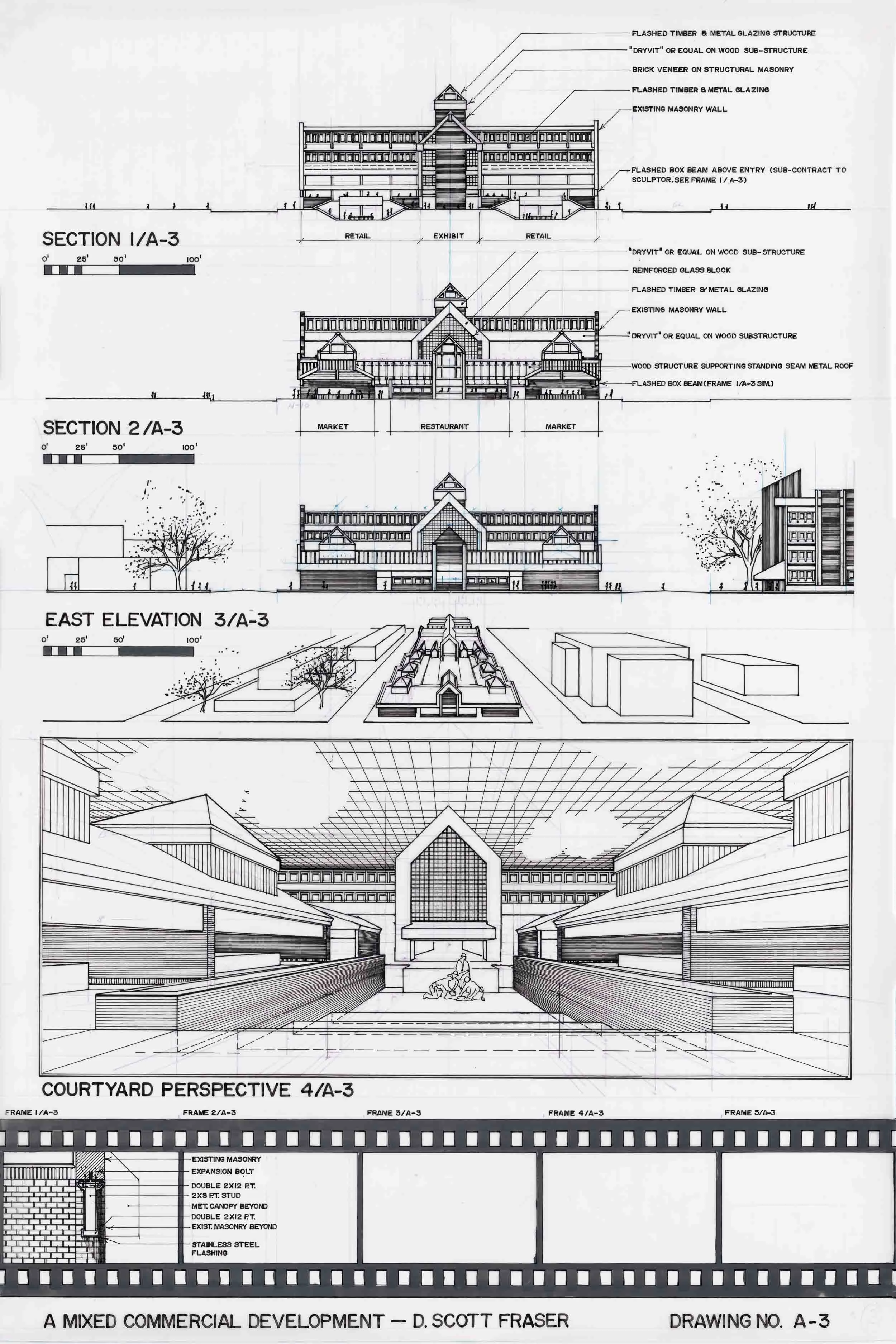
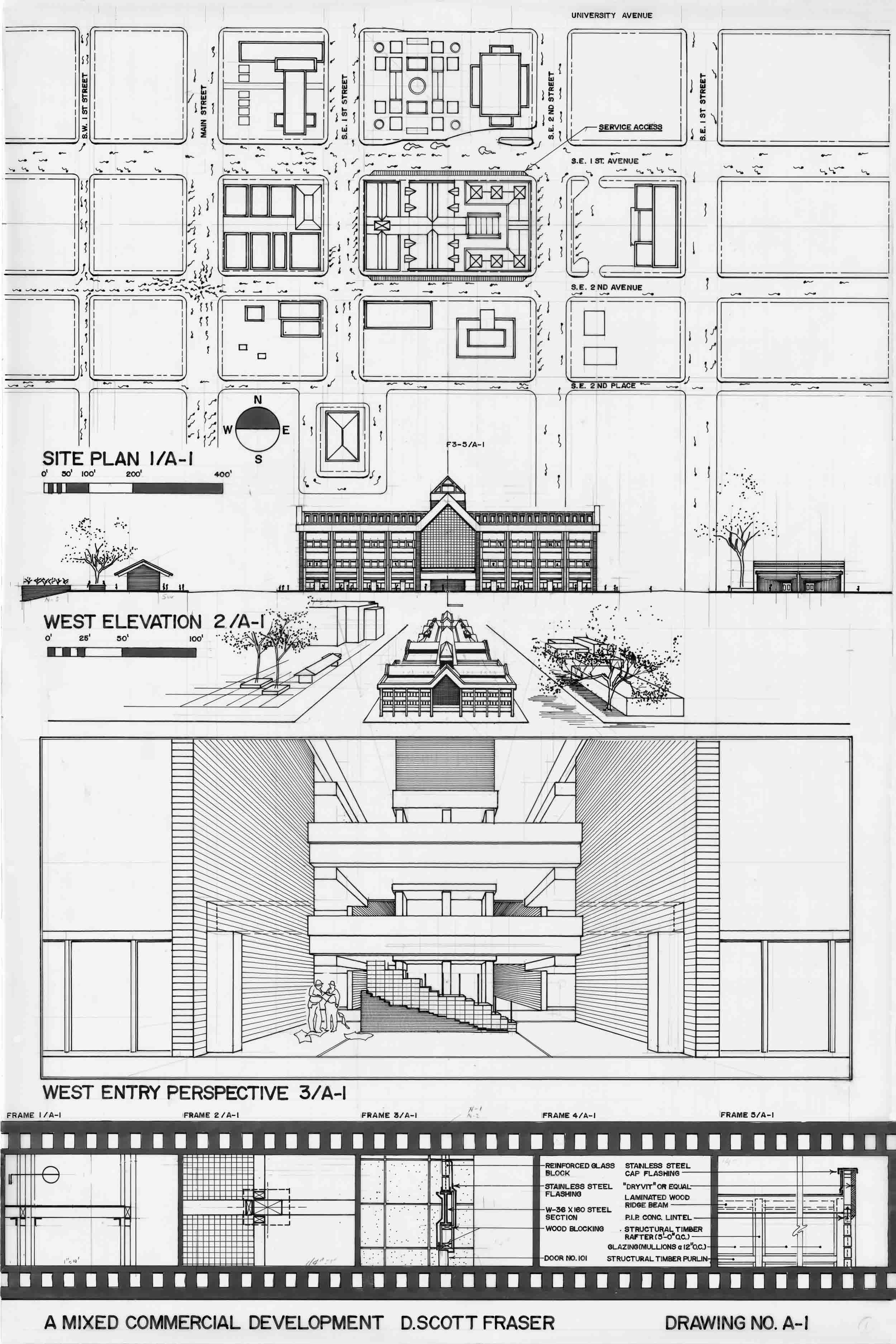
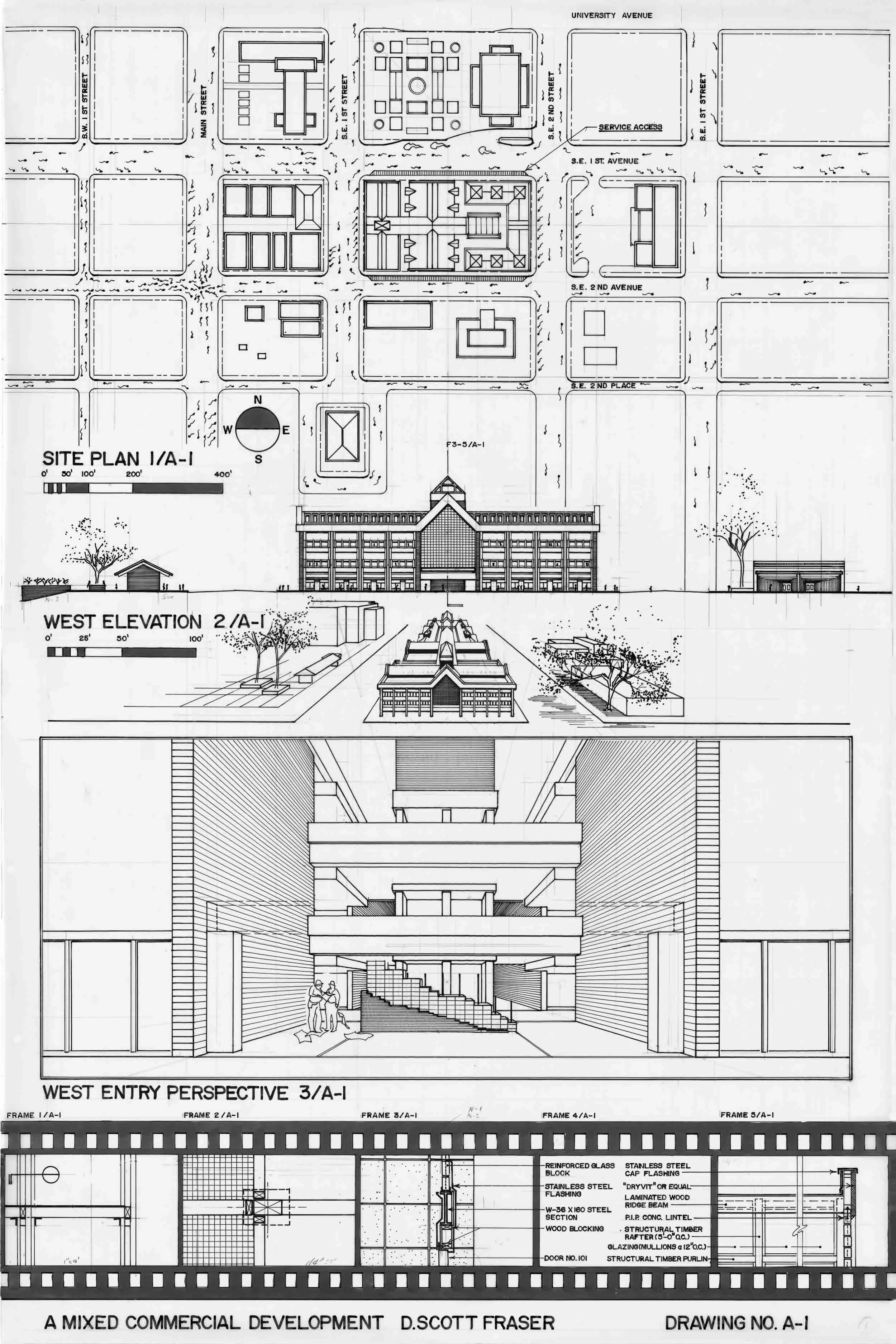
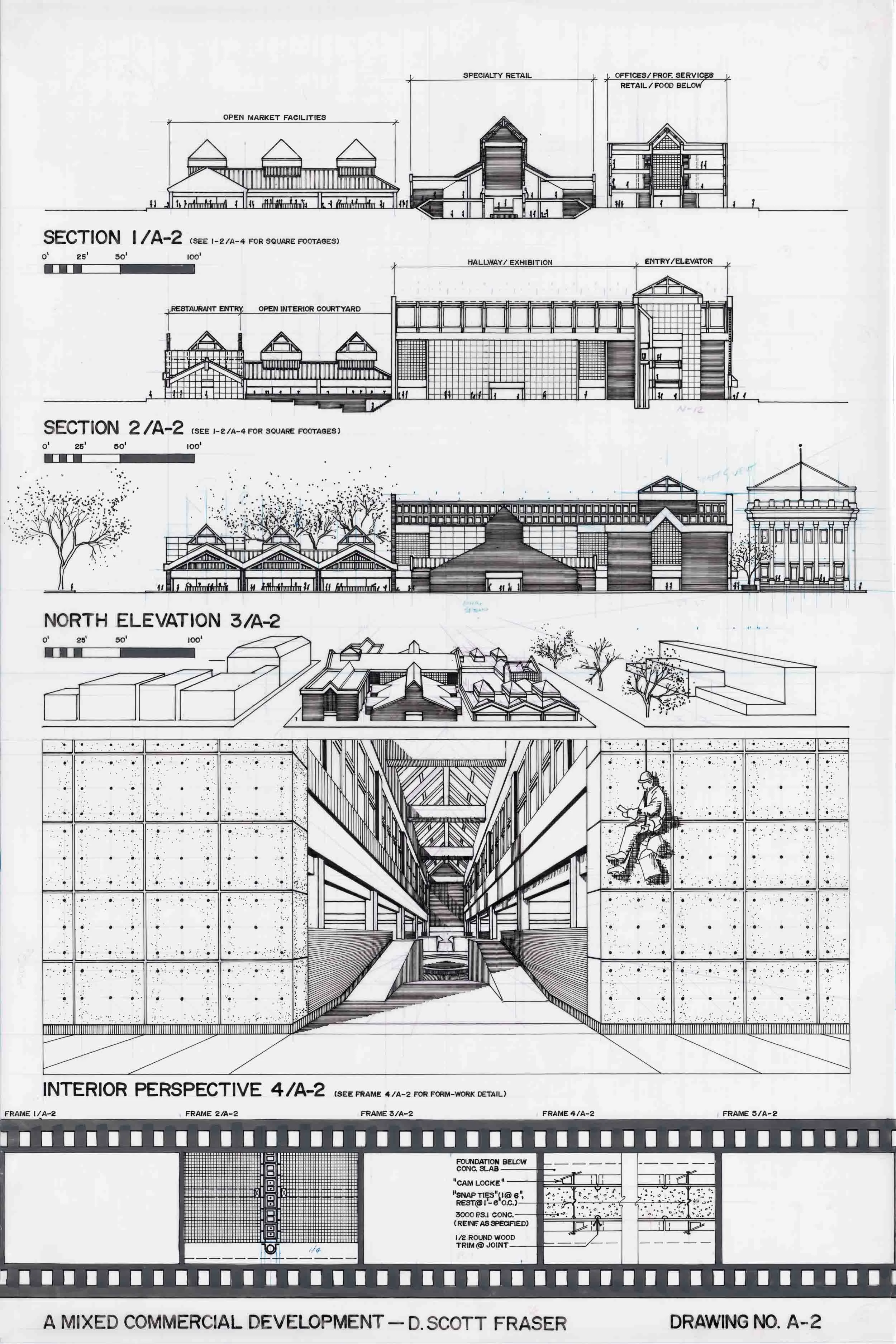
Gainesville Mixed-Use
Structural Studio Project
BA, 1984 MA 1987
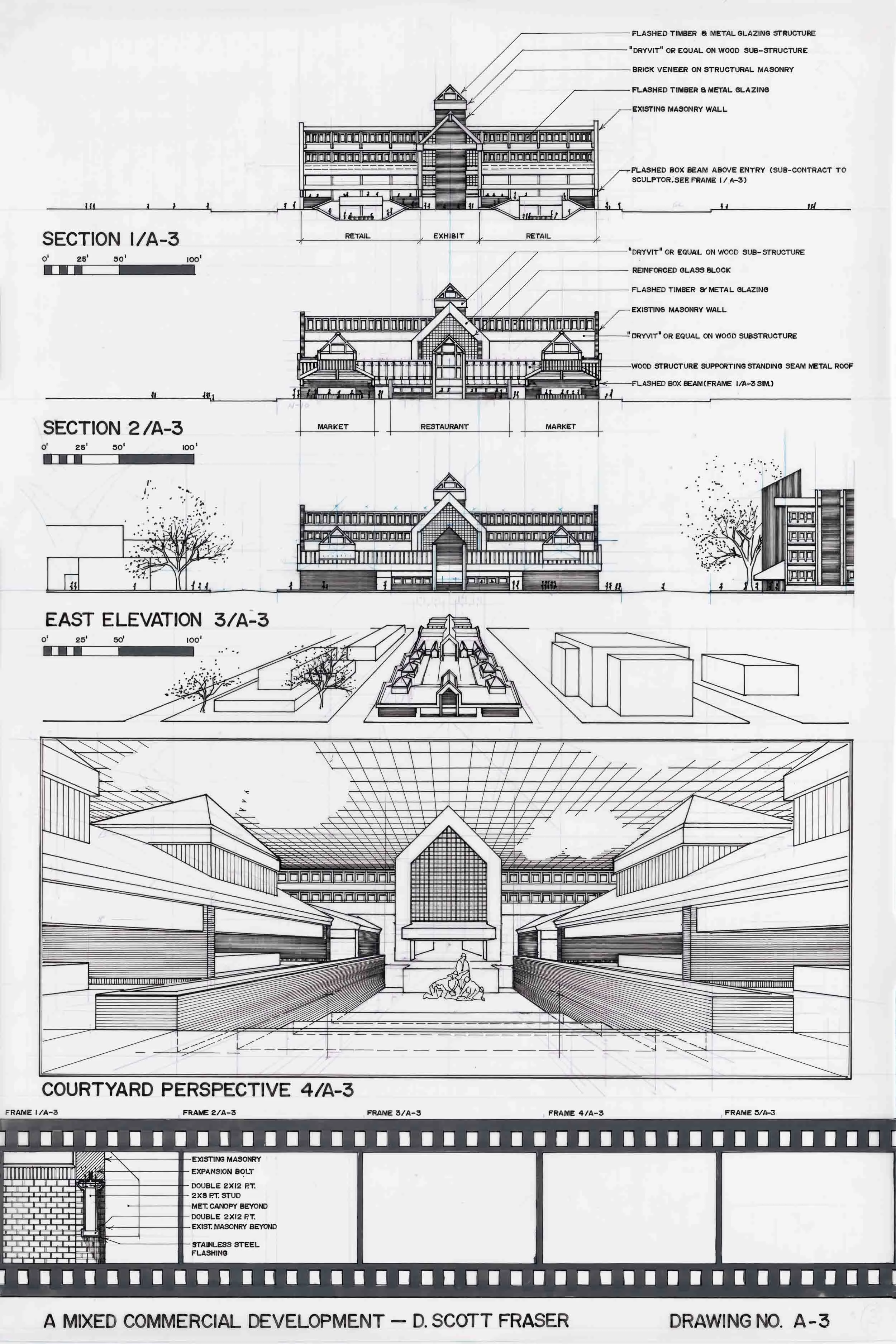
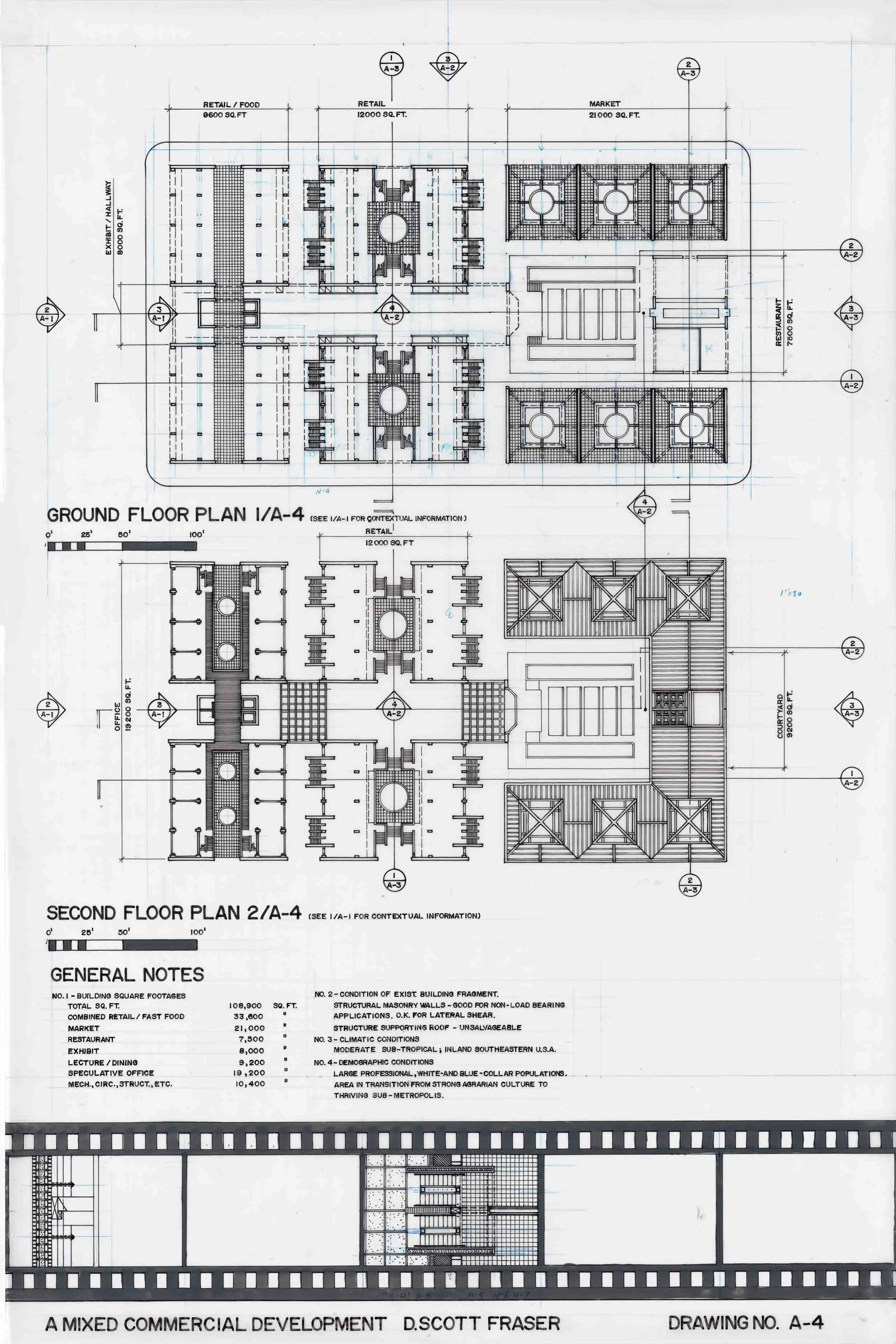
Adaptive Re-use of Historical Structure
A study in urban composition and the adaptive reuse of an existing historical structure. This project includes retail, restaurant, and offices spaces within a coherent architectural framework. A community market featuring local vendors surrounds a spacious courtyard for gathering and community functions and exhibits. Structures define the useful void spaces; the interior and exterior spaces of human activity. The design is direct in its expression of materials and methods of construction. Clear geometry establishes order while allowing the life of the city to animate the spaces.
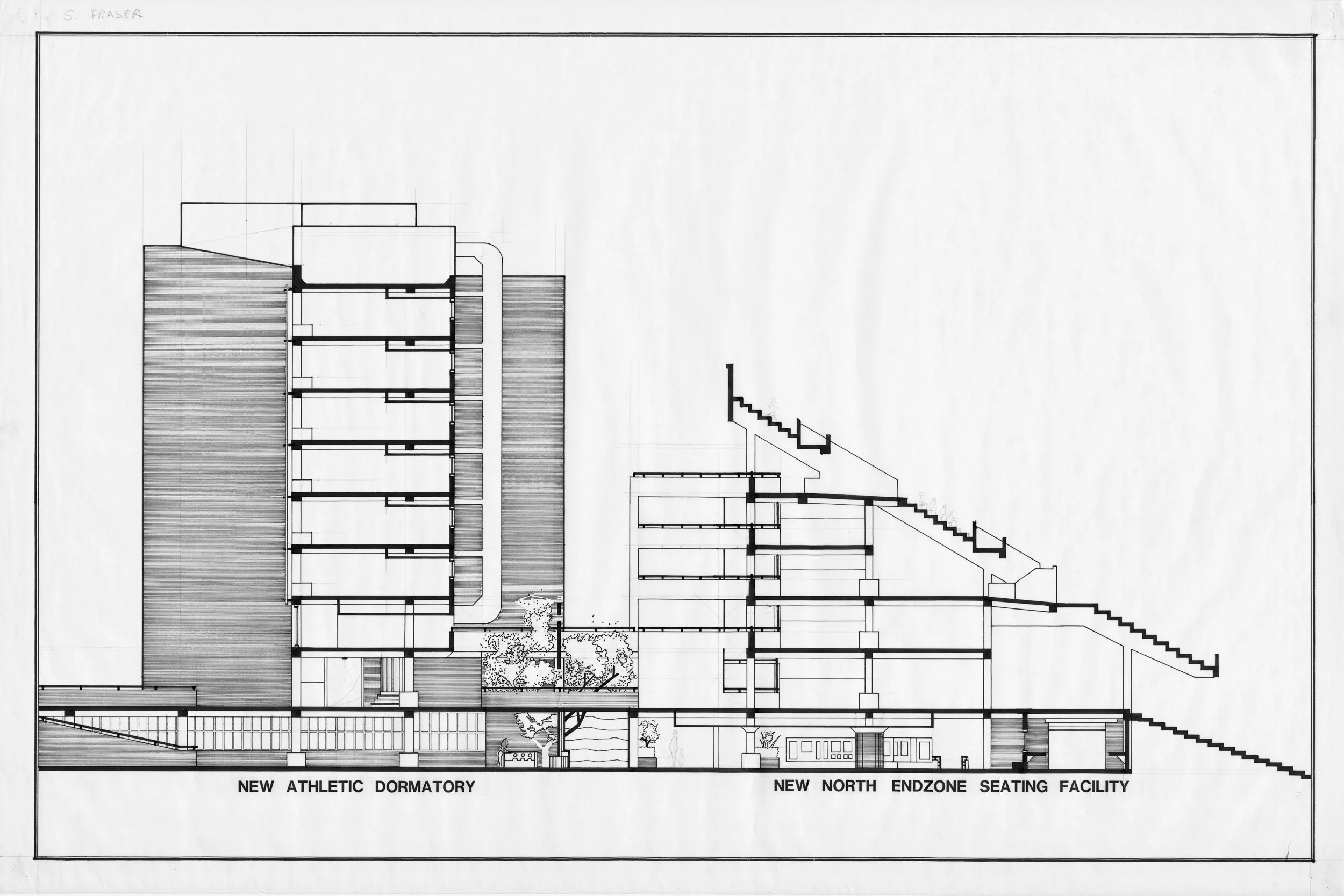
Stadium / Hall of Memories Study
Design Studio Project
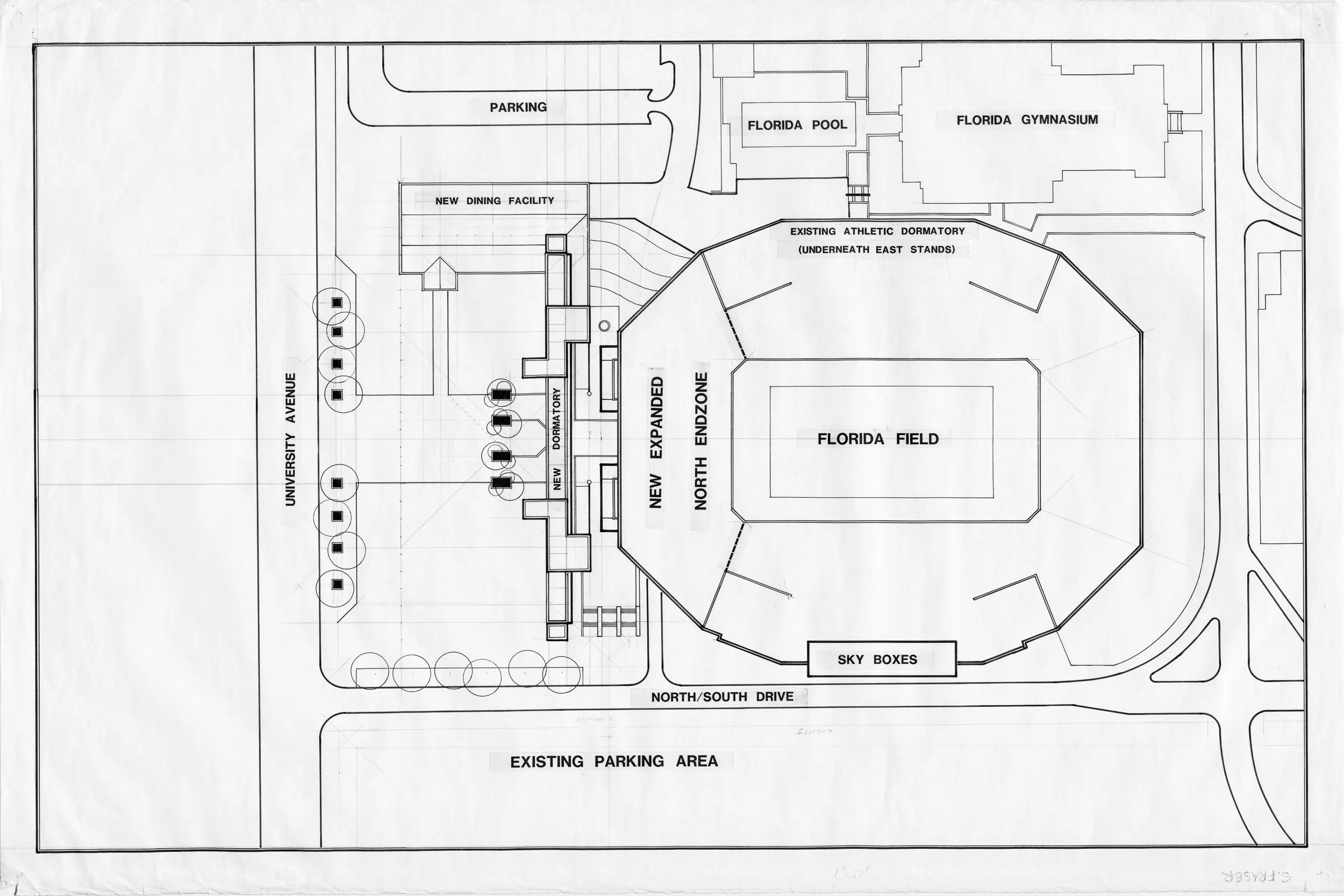
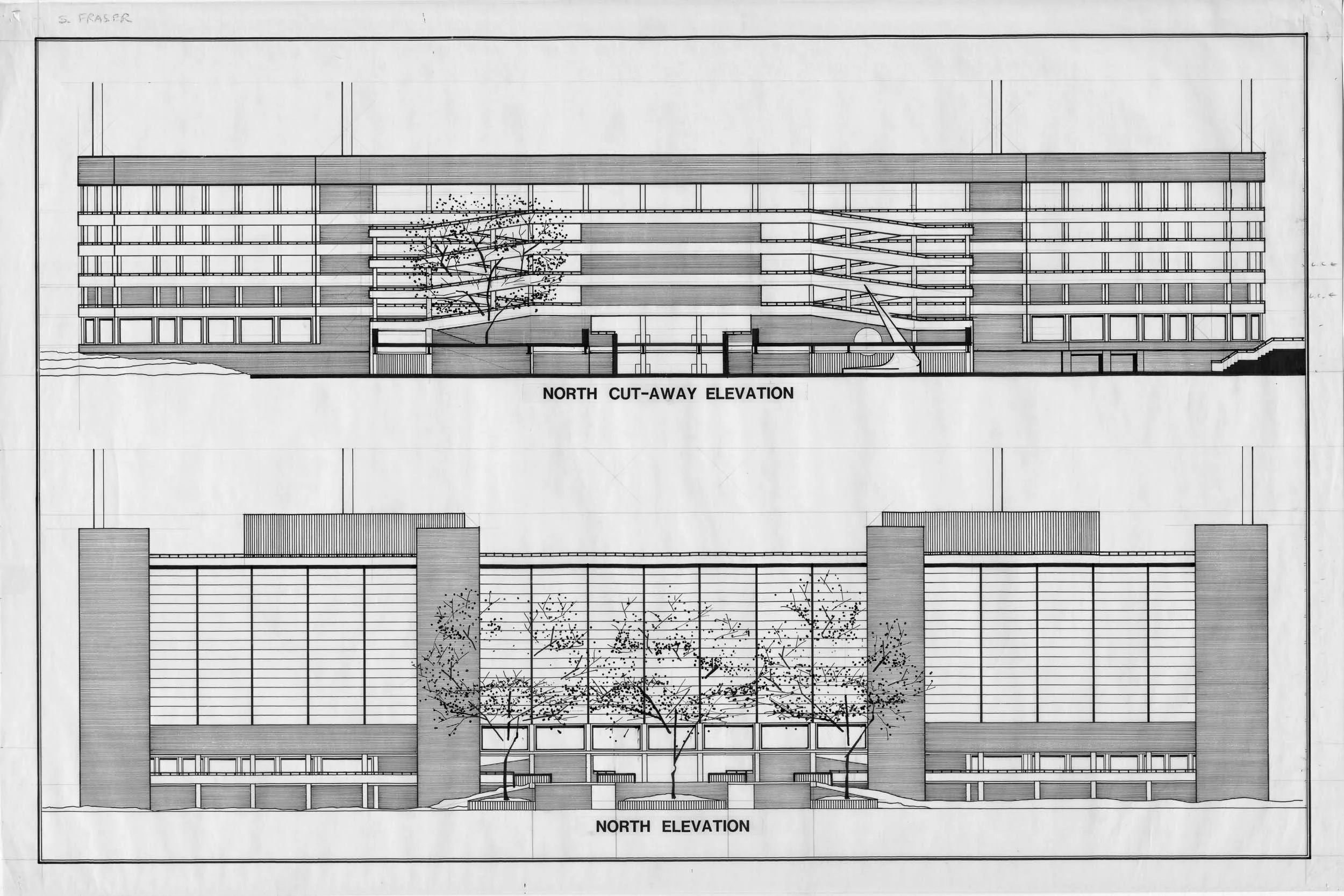
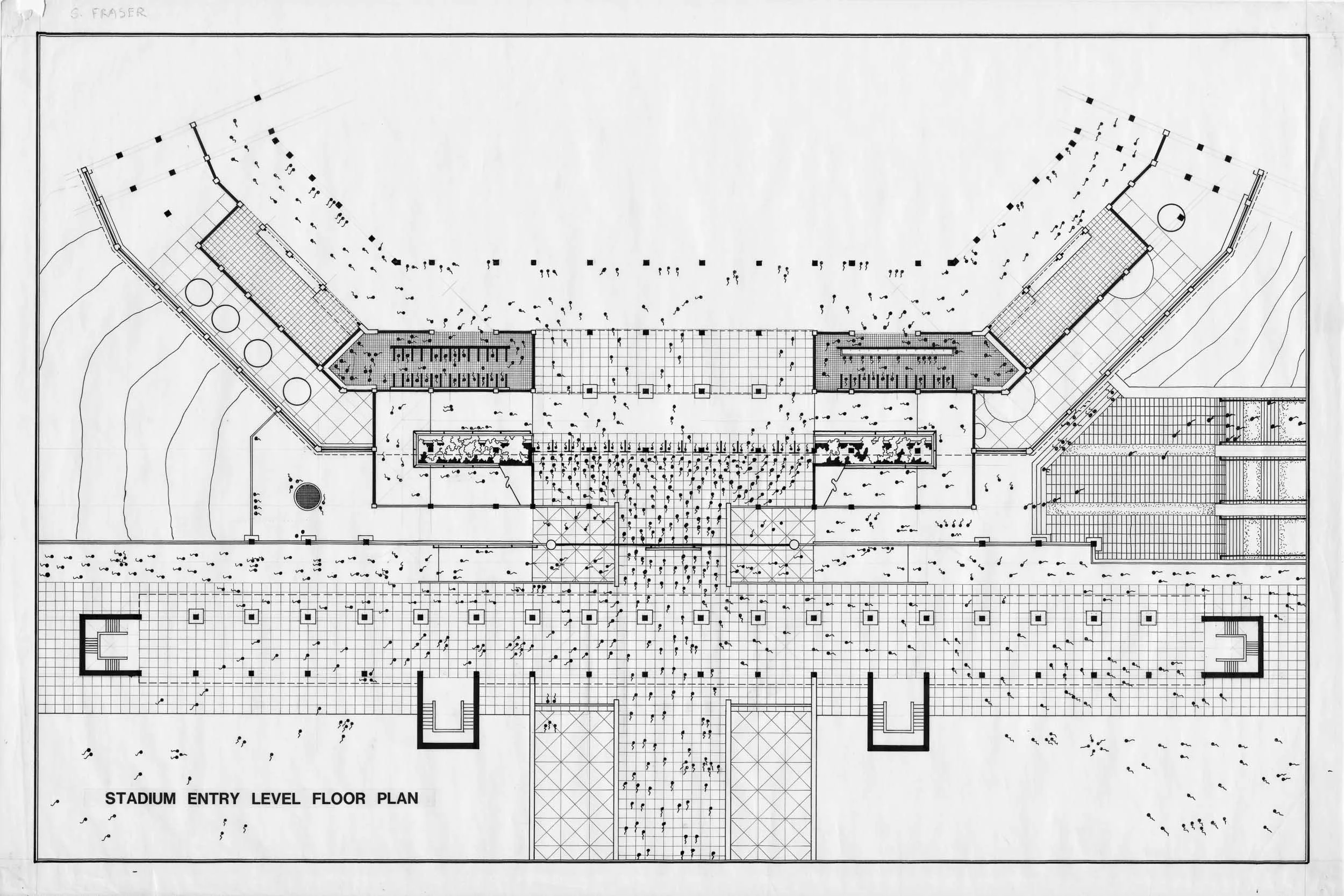
Florida Field North End Zone Expansion
This project examines architecture at the scale of collective experience—movement, gathering, and procession. The design organizes the flow of large numbers of people, shaping circulation paths, entry sequences, and exhibition spaces. Structure is expressed as both support and symbol, reinforcing civic presence. The stadium is not an isolated object, but a place of memory and ritual, where architecture frames the experience of arrival, and anticipation of a shared event.
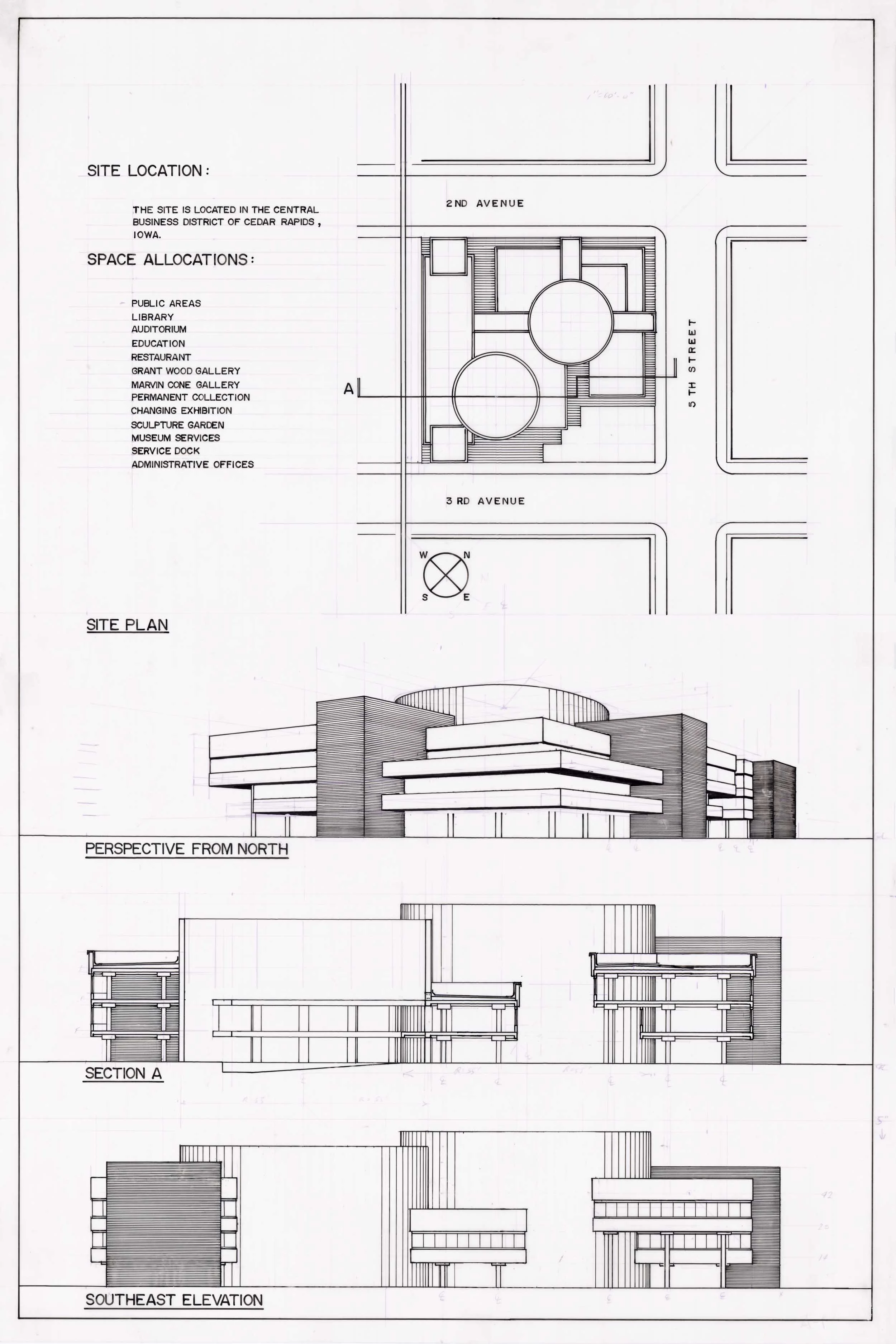
Art Museum Study.
Design Studio Project
Edward Hopper Collection
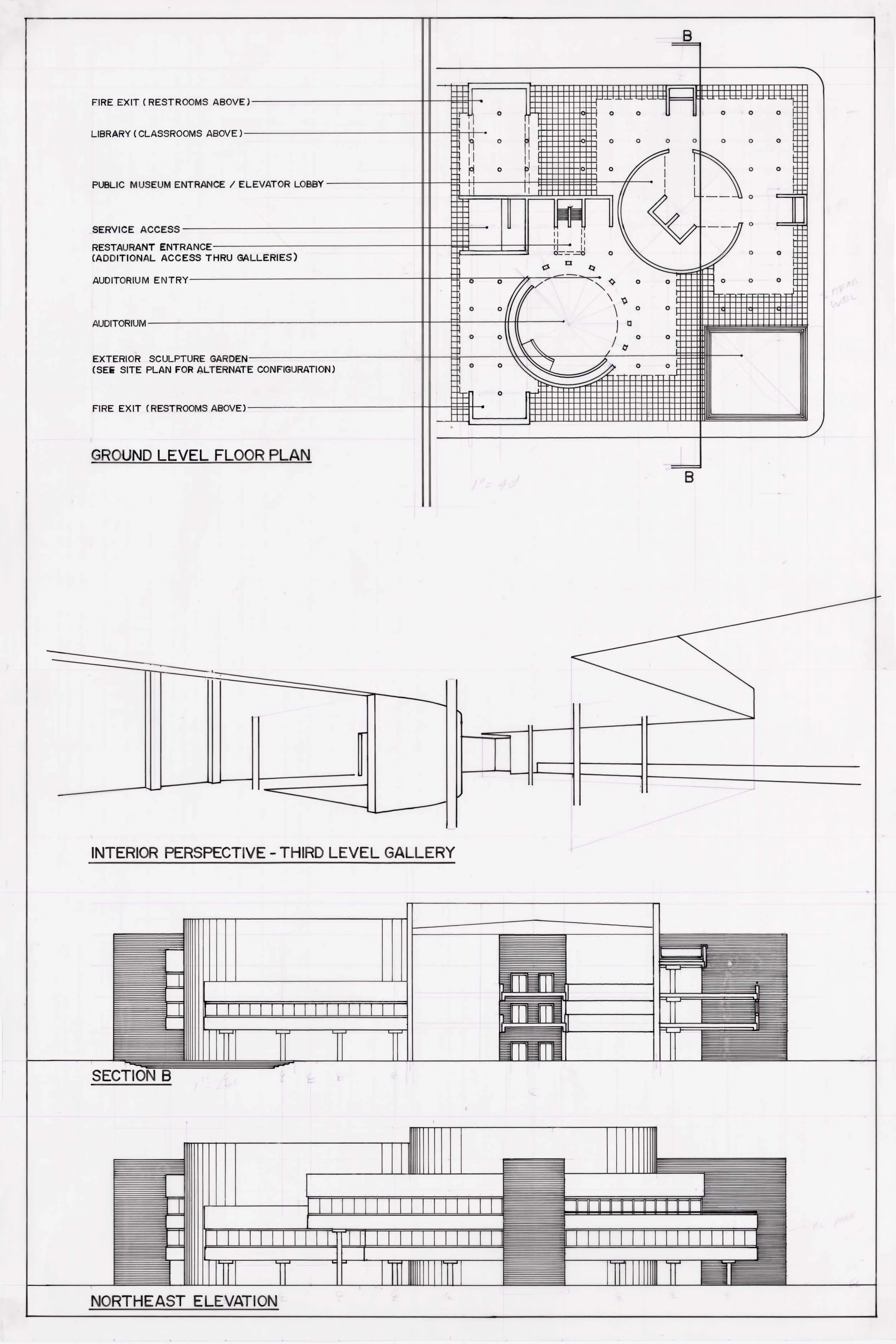
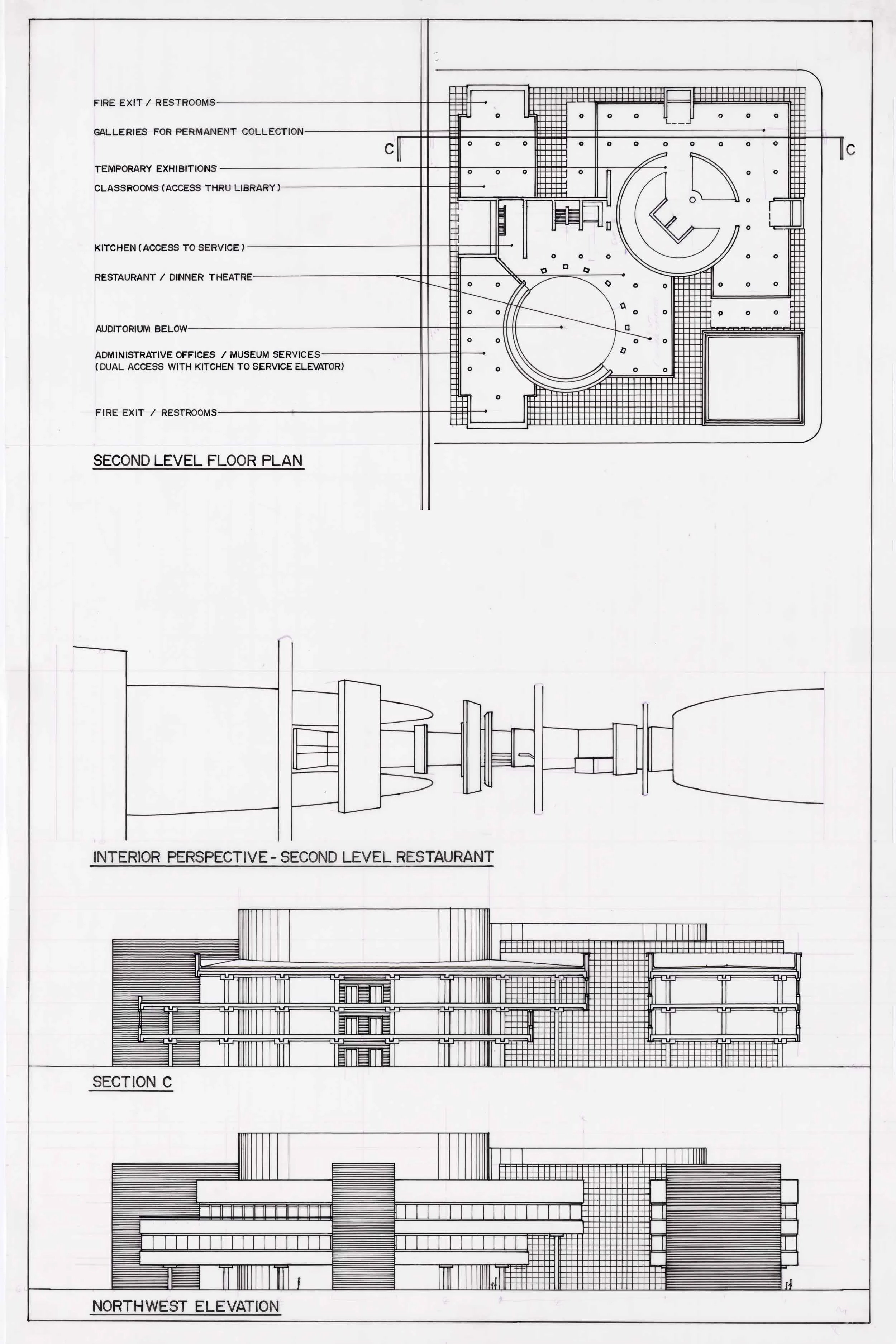
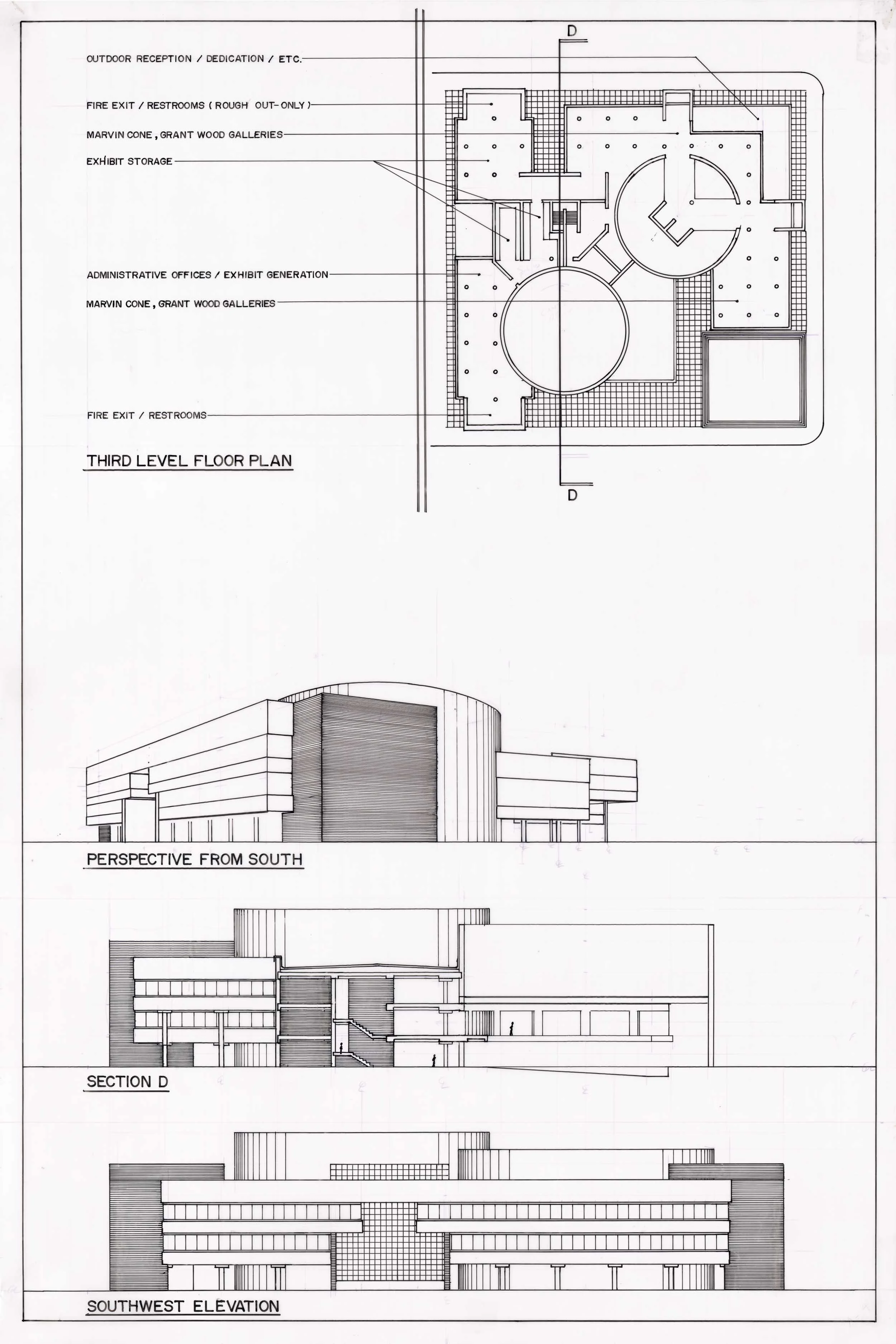
This project explores the relationship between form, movement, and the experience of art. Spaces are sequenced to guide visitors through a progression of galleries, each defined by proportion, light, and enclosure. The architecture operates as both container and participant—shaping how art is encountered without competing with it. Circular and linear geometries are used to organize circulation and create orientation within the building. The result is a fluid environment, where movement, perception, and space are carefully aligned.