
ARCHITYPICAL PROTOTYPES
About Architectural Prototypes
The prototype projects are pre-resolved architectural systems intended for adaptation and deployment. Each is developed with attention to structure, circulation, and material expression, allowing the design to remain understandable and coherent while responding to specific site conditions and program requirements, creating buildings that are efficient to construct, flexible in use, and grounded in clear architectural design principles.
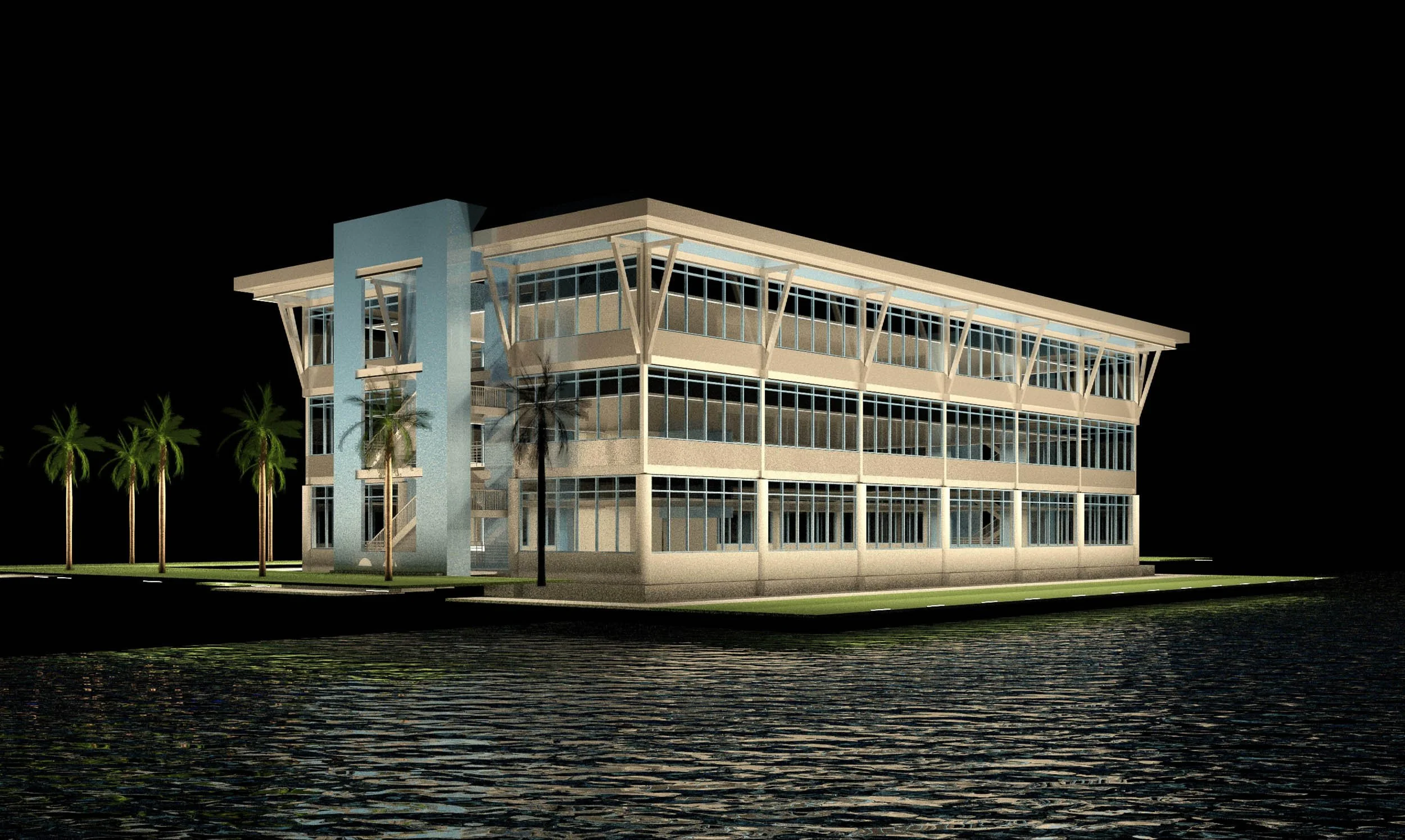
Professional Point Prototype
Best-In-Class Collaborative Working Environment.
Professional Point is a 3-story office building prototype design adaptable to various sites and user requirements. Design principles include authentic expression of structure and materials, balance of mass and void, harmony of light and dark, and the juxtaposition of both course and refined construction materials. A rational structure offers flexibility in tenant layout while maintaining a strong architectural identity. Circulation is visible and legible, reinforcing orientation and connection across floors.
Creekside Place Prototype
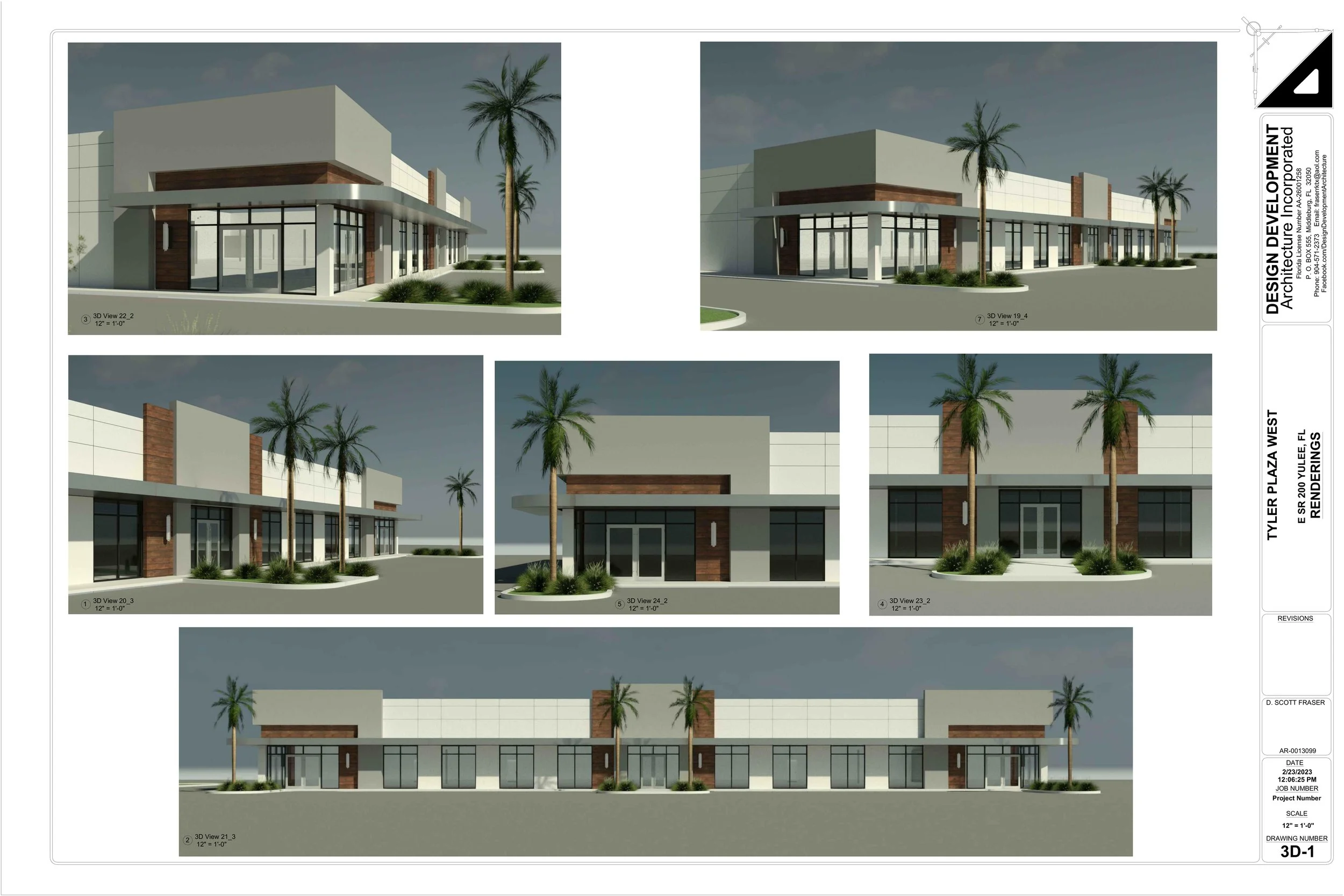
Distinctive Business Location
Creekside Place is a commercial mixed use prototype that explores the integration of building and site as a unified system. The architecture is shaped by edge conditions—frontage, circulation, and the relationship to adjacent open spaces. Covered walkways, layered facades, and clear organization create depth and continuity while supporting a range of tenant configurations. The design allows adaptation to specific sites while preserving architectural clarity and coherence.
Urban Workspace Prototype

Signature Corporate Identity
Urban Workspace is a 2-story office building prototype design adaptable to various sites and user requirements. Structural members are integral to the design, contributing to its visual presence. Deep overhangs provide shade while emphasizing rhythm and repetition. The perimeter is defined by continuous glazing, allowing flexibility in tenant configuration while maintaining a consistent exterior language. Circulation is organized to be direct and legible, with elements of vertical movement expressed rather than concealed. The result is a building that is adaptable to a range of uses while remaining grounded in a clear and intentional architectural identity.